Palazzo Fortuny
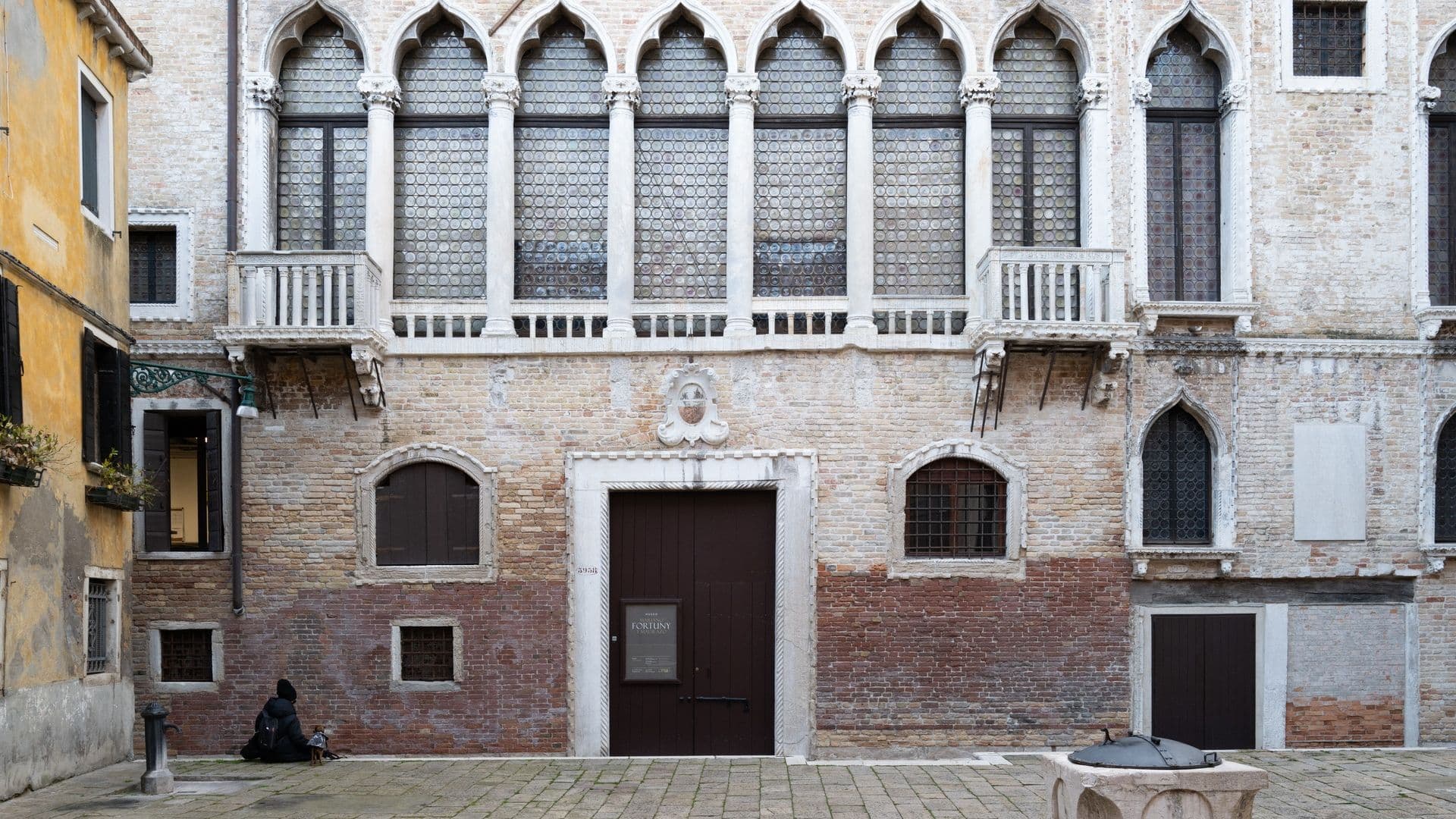
Palazzo FortunyOverlooking Campo San Beneto, Palazzo Fortuny now houses one of Venice's most evocative museums.In this venue, usually open only for temporary exhibitions, one can discover a house muse
Overlooking Campo San Beneto, Palazzo Fortuny now houses one of Venice's most evocative museums.
Palazzo Fortuny
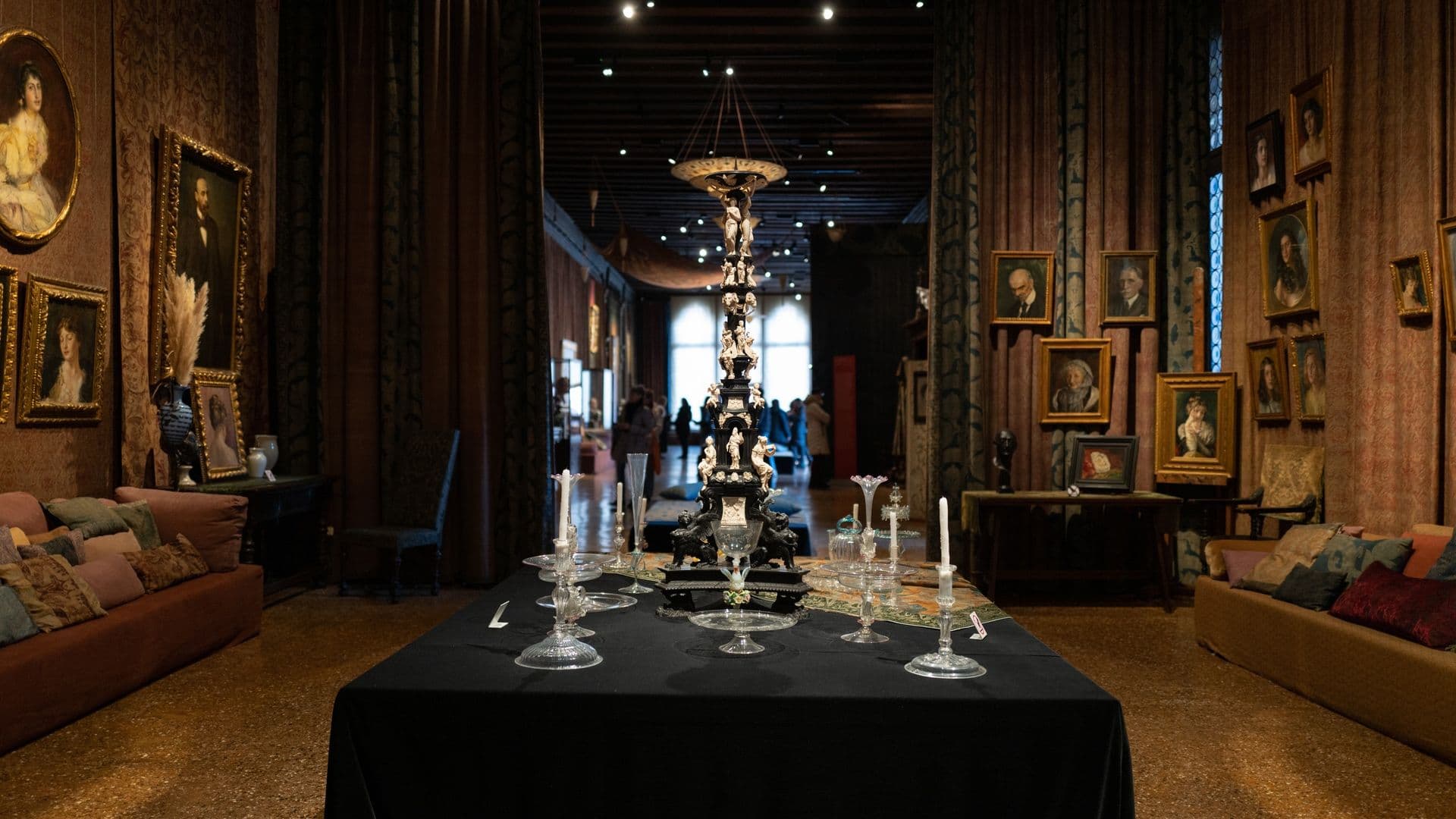
In this venue, usually open only for temporary exhibitions, one can discover a house museum that retains all the charm of the artistic atélier it once was.
Useful Information
Palazzo Fortuny’s Website
Opening Hours: 10:00-18:00 (Last entry 17:00)
Google maps Location of Palazzo Fortuny
Fortuny Palace. Historical background
The history of Palazzo Fortuny has its roots in the 15th century, when it was built at the behest of Benedetto Pesaro. The building, with its extraordinary Gothic facade, was transformed and enlarged several times in the following centuries.
In 1898 the multifaceted Spanish artist Mariano Fortuny Madrazo bought it and recovered it to house his art and textile collections.
Upon his death, the palace was given to the City of Venice, which turned it into a museum in 1975.
A visit to the Fortuny Palace
A visit to Palazzo Fortuny is a truly special experience, in contact with the creative genius of its eclectic owner. Painter, sculptor, inventor, photographer, designer, set designer and engraver, Mariano Fortuny left evidence of all his passions in this place.
The artist devoted himself to fashion, creating with innovative and unparalleled techniques a vast series of fabrics that are still unique in the world. Also famous are the lamps he designed, evidence of his constant dedication to experimentation, which led him to invent new lighting techniques that revolutionized the world of entertainment.
To visit Palazzo Fortuny is to touch the genius of an artist who made history.